Tech Startup Field Trips in Shanghai: Recommended Accommodations in High-Tech Innovation Hubs
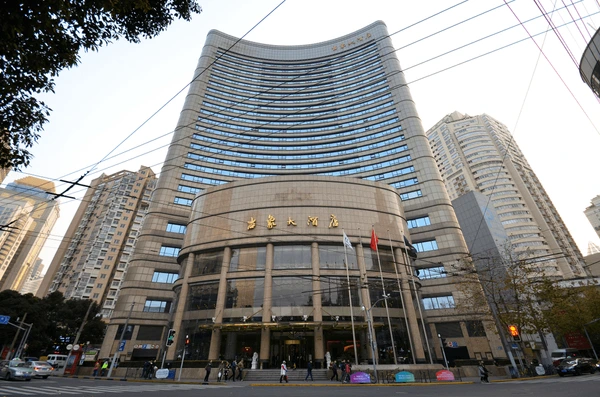
Shanghai has become one of the most important innovation centers in Asia. Over the last decade, the city has transformed from a global financial powerhouse into a serious destination for technology startups, research institutions, AI companies, and venture capital firms. For university groups, startup founders, business delegations, and tech professionals planning educational field trips, Shanghai offers a mix of modern infrastructure, startup ecosystems, and international accessibility that is difficult to match.
Many visitors who travel for innovation-focused programs often spend several days moving between technology parks, incubators, universities, and coworking spaces. Because of this, choosing the right accommodation matters more than people usually expect. Staying close to innovation districts can save hours in daily transport and also gives visitors a better understanding of the city’s entrepreneurial culture.
For travelers looking to book hotels in Shanghai, understanding the city’s high-tech areas first can make the entire experience much smoother. Different districts serve different industries, and accommodations vary widely depending on the purpose of the trip.
Why Shanghai Attracts Tech Startup Field Trips
Shanghai sits at the center of China’s growing technology economy. While cities like Shenzhen are known for hardware manufacturing and Beijing is often associated with large internet companies, Shanghai has built a reputation around fintech, artificial intelligence, biotech, e-commerce, and smart manufacturing.
The city also attracts international startups because of its strong transportation network, multilingual business environment, and access to global investors. Educational field trips regularly include visits to startup accelerators, university labs, and innovation parks where participants can observe how Chinese startups scale rapidly.
Another reason Shanghai stands out is its balance between business and lifestyle. Even after long days of meetings or workshops, visitors can still enjoy riverfront walks, modern shopping districts, museums, and local food culture.
Understanding Shanghai’s Main Innovation Hubs
Before selecting accommodation, it helps to understand how Shanghai’s startup ecosystem is geographically organized.
Pudong New Area
Pudong is probably the most internationally recognized business district in Shanghai. The skyline around Lujiazui symbolizes the city’s economic rise, but Pudong is much more than financial towers.
Several technology parks and startup accelerators operate throughout the district. Companies focused on AI, cloud computing, semiconductors, and fintech are heavily concentrated here. Many international business travelers prefer staying in Pudong because transportation links are efficient and many hotels cater to global visitors.
The area is especially practical for startup field trips involving corporate meetings or investor networking events.
Zhangjiang Hi-Tech Park
Often called China’s Silicon Valley, Zhangjiang Hi-Tech Park is one of the most important innovation centers in the country. Large technology firms, biotech companies, and research labs operate here alongside thousands of startups.
University groups and technology delegations frequently organize visits to Zhangjiang because it offers a close look at China’s research and development ecosystem. The district contains incubators, science parks, and collaborative workspaces that support both local and international entrepreneurs.
Accommodations near Zhangjiang tend to be quieter than hotels in downtown Shanghai. Many are designed for long-stay business travelers rather than tourists.
Xuhui District
Xuhui has developed into a creative technology and innovation district in recent years. The area blends historic neighborhoods with modern coworking spaces and startup communities.
Artificial intelligence companies have expanded rapidly in Xuhui, especially around the West Bund area. The district also appeals to younger entrepreneurs because cafés, creative studios, and universities are nearby.
For visitors who want a combination of startup culture and urban lifestyle, Xuhui is often a good choice.
Hongqiao Business District
Hongqiao is important mainly because of its transport connectivity. The district surrounds one of Shanghai’s major railway and airport hubs, making it ideal for short business trips and regional conferences.
Although Hongqiao is less startup-focused than Zhangjiang or Xuhui, many companies choose the area for meetings because participants can travel easily from other Chinese cities.
People attending innovation expos or large-scale business events often stay in Hongqiao for convenience.
What Makes Accommodation Important During Startup Field Trips
Tech field trips usually involve tightly scheduled days. Participants may travel between company offices, university campuses, exhibitions, and networking sessions from morning until evening.
Long commutes can quickly become exhausting, especially in a city as large as Shanghai. Choosing accommodation close to planned activities reduces stress and allows visitors to focus more on learning opportunities.
Hotels near innovation hubs also tend to provide business-oriented facilities such as reliable internet, workspaces, meeting rooms, and multilingual staff. These details might seem small at first, but they become extremely valuable during professional visits.
Another practical factor is metro access. Shanghai’s metro system is efficient, but some districts are still more connected than others. Staying near major metro lines can save considerable time during busy schedules.
Recommended Accommodation Types for Different Travelers
Not every visitor has the same goals during a startup-focused trip. Accommodation choices often depend on the structure of the visit.
Business Hotels for Professional Delegations
Corporate groups and investor teams usually prioritize convenience and meeting facilities. Business hotels near Pudong or Hongqiao often provide conference rooms, airport transfers, and early breakfast options.
These hotels may feel more formal, but they are practical for short professional stays.
Serviced Apartments for Extended Visits
Some startup incubator programs or research exchanges last several weeks. In those cases, serviced apartments can provide better value and more comfort than traditional hotels.
Travelers often appreciate having laundry facilities, kitchen access, and larger work areas during extended stays.
Budget Hotels for Student Groups
University field trips typically operate with tighter budgets. Student groups frequently stay in mid-range or budget hotels near metro stations to balance accessibility and affordability.
In Shanghai, many budget accommodations still maintain strong cleanliness and security standards, particularly in business districts.
Boutique Hotels for Creative Teams
Creative startups sometimes prefer smaller boutique accommodations in areas like Xuhui or Jing’an. These hotels often reflect Shanghai’s artistic side and provide a more local atmosphere compared to large international chains.
They can also offer a refreshing break from the corporate environment after a long day of meetings.
Key Factors to Consider Before Booking
Travelers planning startup field trips often focus heavily on itinerary details while overlooking accommodation strategy. A few considerations can make the experience significantly smoother.
- Distance from innovation parks and metro stations
- Availability of fast and stable Wi-Fi
- Flexible check-in options for international arrivals
- Quiet working spaces inside the hotel
- Access to restaurants and convenience stores
- English-speaking staff for international groups
- Safety and late-night transportation availability
These factors become particularly important for teams coordinating meetings across different locations.
Transportation and Accessibility Around Innovation Districts
Shanghai’s transportation network is one of the city’s biggest strengths. The metro system connects most technology hubs efficiently, and high-speed rail access makes regional business travel relatively easy.
However, travel times can still be longer than expected because the city is massive. A hotel that appears “close” on a map may still require significant commuting during rush hours.
Pudong International Airport mainly serves international flights, while Hongqiao Airport handles many domestic routes. Visitors attending multi-city startup tours often choose accommodations near Hongqiao because of its railway connections.
Ride-hailing services are also widely used in Shanghai, though traffic can become heavy during business hours.
The Role of Coworking Spaces During Tech Visits
Coworking spaces have become an important part of Shanghai’s startup culture. Many field trips include visits to these environments because they provide insight into collaboration trends within China’s tech ecosystem.
Districts like Xuhui and Pudong contain numerous shared workspaces where startups, freelancers, and international entrepreneurs interact daily.
Some accommodations now partner directly with coworking operators, allowing guests to access temporary office facilities during their stay. This setup can be particularly useful for remote teams traveling between meetings.
Balancing Business and Cultural Experiences
One interesting aspect of Shanghai startup field trips is the balance between professional learning and cultural exploration. Visitors often discover that understanding the city’s pace and lifestyle helps them better understand its entrepreneurial environment.
Neighborhoods around startup districts frequently include traditional restaurants, public parks, and historic streets alongside futuristic office towers. This contrast is part of what makes Shanghai unique.
Evening activities can become valuable networking opportunities as well. Informal dinners or café meetings sometimes lead to stronger professional relationships than formal presentations.
Travelers using platforms like Gother to organize logistics may also compare different districts based on how much free time they plan to spend exploring outside scheduled activities.
Seasonal Considerations for Accommodation Planning
Shanghai’s weather can influence accommodation choices more than many travelers realize.
Summer months are often hot and humid, especially in July and August. Hotels with strong air conditioning and convenient indoor transport connections become more important during that period.
Spring and autumn are generally considered the most comfortable seasons for field trips. The weather is milder, making it easier to move between meetings and outdoor activities.
Winter is less crowded in some business districts, which can occasionally result in lower accommodation prices.
Large technology conferences and trade exhibitions can also impact hotel availability. Booking early becomes essential during major events.
Digital Infrastructure and Connectivity
Reliable internet access is critical for startup delegations and technology-focused travelers. Most modern hotels in Shanghai provide strong connectivity, though internet access methods may vary slightly depending on the property.
Business travelers often look for accommodations with dedicated work areas, charging stations, and quiet environments for online meetings.
International visitors should also prepare for differences in app availability and digital payment systems while traveling in China. Having accommodations that support international guests can reduce confusion during check-in and daily activities.
Food and Convenience Near Innovation Hubs
Food accessibility matters during long professional trips. Fortunately, most of Shanghai’s innovation districts contain a wide range of dining options.
Pudong offers many international restaurants suited to global business travelers, while Xuhui provides a more local and café-oriented atmosphere. Zhangjiang tends to focus more on practical business dining rather than nightlife.
Convenience stores are common throughout the city, and food delivery services are heavily integrated into daily life in Shanghai.
Visitors staying for extended startup programs often appreciate being near supermarkets or mixed-use commercial areas where everyday necessities are easy to find.
Common Challenges Visitors Face
Even experienced travelers can face adjustment challenges during startup-focused visits to Shanghai.
Language barriers still exist in certain areas despite the city’s international reputation. Navigation apps may function differently compared to Western countries, and first-time visitors sometimes underestimate travel distances between districts.
Another challenge involves scheduling. Startup field trips frequently pack too many activities into a single day, leaving little recovery time between meetings.
Choosing accommodation strategically helps reduce some of these issues by minimizing unnecessary commuting and simplifying logistics.
How Shanghai Continues to Evolve as an Innovation Destination
Shanghai’s technology landscape changes rapidly. New incubators, AI research centers, and venture capital networks continue to appear across the city.
Government-backed innovation initiatives have also accelerated investment in science parks and startup infrastructure. As a result, accommodation demand around high-tech districts continues to grow.
This evolution means travelers planning future field trips may discover entirely new startup ecosystems emerging within the city over the next several years.
For entrepreneurs, researchers, and students alike, Shanghai remains one of the most dynamic places to observe how modern innovation ecosystems develop in real time.
Summary
Shanghai has established itself as a major destination for startup field trips, technology exchanges, and innovation-focused travel. Districts such as Pudong, Zhangjiang, Xuhui, and Hongqiao each offer different advantages depending on the purpose of the visit.
Choosing the right accommodation can significantly improve the overall experience by reducing commute times, improving access to innovation hubs, and supporting productive schedules. Travelers looking to book hotels in Shanghai should carefully consider transportation access, business facilities, and proximity to startup ecosystems before making decisions.
Platforms such as Gother may also help travelers organize accommodations more efficiently while exploring different parts of the city. Ultimately, successful startup field trips in Shanghai depend not only on the meetings and workshops themselves, but also on thoughtful planning that supports learning, networking, and cultural understanding throughout the journey.