How Lapis Lazuli Gold Jewelry Became A Statement In Fine Jewelry
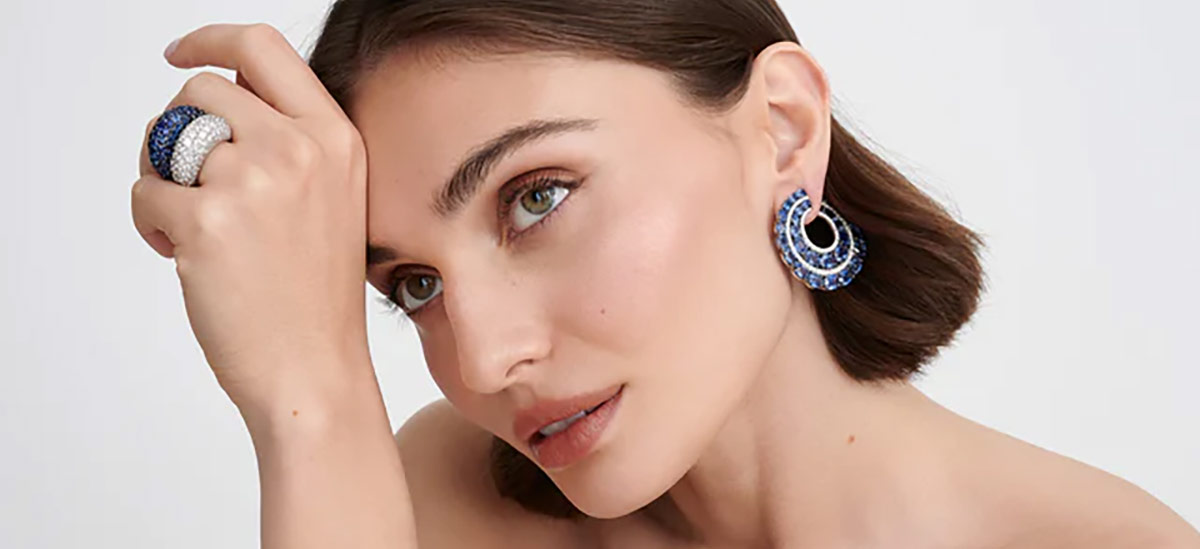
Lapis lazuli, a beautiful stone with a deep blue color, has long been famous in the world of art and Jewelry. Its use dates back over 7000 years, with various ancient cultures adapting the stone in one form or another.
Today, lapis lazuli remains at the forefront of modern jewelry. This stone has been carved as a statement piece by many modern designers, including David Webb, Seaman Schepp, Cartier, and Van Cleef, among others.
The combination of Lapis Lazuli and gold is one of the oldest pairings in history. This combination is still very much in use today, partly due to the gemstone's historical lore and the celestial contrast between these two materials. In this guide, we’ll take a closer look at Lapis Lazuli gold jewelry and explain some of the factors behind its popularity as a statement piece.
Historical Significance of Lapis Lazuli
To understand why Lapis Lazuli Gold Jewelry is a famous statement piece today, we have to take a look at its past. This gemstone has one of the most fascinating histories of any stone, because it has been known and used by humans for thousands of years.
In fact, Lapis Lazuli can be regarded as the "original" luxury gemstone. Long before diamonds became the face of beautiful, sparkly jewelry, many ancient civilizations in places like Egypt and Mesopotamia knew Lapis and valued it above all other gemstones or materials known at the time.
According to the International Gem Society, Lapis Lazuli was one of the first gemstones ever worn as jewelry. This makes it one of the oldest symbols of beauty and adornment in history. Beads made out of Lapis Lazuli have been found in Neolithic burial sites.
The ancient Sumerians believed that the spirits of their gods resided in the core of this beautiful gemstone. In Egypt, the rock was used for different purposes. Pharaohs adorned themselves with amulets made out of Lapis Lazuli as a symbol of divine power. Egyptians typically set Lapis in heavy yellow gold. This combination was considered a symbol of the night sky and the eternal sun. Lapis Lazuli has also been found on the funeral masks of pharaohs like Tutankhamun.
This stone also had other uses in Egypt beyond jewelry. Lapis Lazuli in powdered form was commonly applied as eye shadow. In addition to its cosmetic effect, the Egyptians believed it could improve the wearer's vision.
Art and Decorations
The historical popularity of Lapis Lazuli transcended its use as a gemstone. This rock is also well-known in the art world. As far back as the 6th and 7th centuries, Lapid Lazuli was used in wall paintings.
During the Middle Ages, this gemstone was ground into a pigment known as ultramarine, which soon became a prized material for painters. In fact, Ultramarine was the most expensive pigment available to painters at the time, and it made several notable appearances in Renaissance paintings, where it was commonly used to color the clothing of royals or holy figures.
This association with high art cemented the reputation of Aquamarine and the gemstone it came from as "noble" materials. Aside from its pigmented form, many past civilizations also incorporated Lapis into everyday objects like vases and tablets.
Modern History as Jewelry
As we have established, Lapis Lazuli has always been a popular material in art and jewelry. However, the modern concept of Lapis as a statement piece really took off in the 1920s and 30s (during the Art Deco era).
Jewelers of that era loved to infuse geometric contrast into their jewelry designs. Those looking to move away from the purely monochromatic appearance of diamonds chose Lapis for its ability to create sharp, architectural contrasts.
Instead of simple cabochons, Lapis was carved into stepped pyramids, cylinders, and intricate inlays, often paired with gold and rock crystal or onyx in all kinds of Jewellery pieces. Lapis reached its peak of mainstream popularity during the mid-century jewelry boom, the bold gold era.
During this era, Jewelers moved away from the dainty look toward chunkier, textured gold. Fashion houses like Van Cleef and Cartier began to use Lapis Lazuli in their collections. This gemstone was featured in iconic collections like the Alhambra and the Panthère.
The trend of using hammered or brushed 18k yellow gold in jewelry further popularized this gemstone. It provided a rugged, organic backdrop that allowed the pyrite inclusions (the "gold" flecks) within the Lapis to pop even more. With this, Lapis gold jewelry became the ultimate accessory for the high-luxury lifestyle of mid-century elites.
Why Lapis Lazuli Gold Jewelry Remains a Statement Today
Today, Lapis Lazuli gold jewelry is still favored by designers worldwide, particularly those looking to bridge the gap between bohemian and high-end fashion languages. The dominance of this jewelry piece can be attributed to multiple factors, particularly its unique appearance and its potential for craftsmanship. Here are some reasons why lapid gold jewelry is still considered a statement piece among many jewelry lovers today.
Intense Appearance
Lapid Lazuli's unique appearance has always been the primary reason for its popularity. This gemstone is known for its deep, mesmerizing shade of blue; the more one gazes upon it, the more it seems to reveal itself.
It is a uniquely intense shade of cobalt that instantly grabs your attention. Unlike most gemstones that require complex faceting to reveal their beauty, Lapis Lazuli possesses a vibrant, deep blue color that is immediate and striking in its raw or polished form.
Lapis is not a plain blue stone. This rock features beautiful layers of texture and veining, giving it even more visual impact. This semi-precious stone often has flecks of white (calcite) or gold (pyrite), making it an easy stone to pair with other jewels.
The Power of Contrast
Another factor that contributes to the status of lapis gold jewelry as a modern statement piece is the contrast between the royal blue gemstone and the gold metal. Lapis sits at a specific point on the color wheel that provides a perfect complementary contrast to yellow gold.
Whether it is made into a necklace, a bold pair of Lapis Lazuli earrings gold jewelry, or a delicate bracelet, this gemstone never fails to make a statement, especially in a gold setting. Lapis is opaque. This gives it a "solid" presence that feels more architectural and grounded. The presence of golden pyrite flecks within the stone acts as a natural bridge to the gold setting, making the piece feel cohesive.
Versatility in Craftsmanship
The versatility of Lapis Lazuli makes it a favorite among jewelers for crafting high-end fine jewelry. Modern designers often use Lapis in flush-set inlays, creating sleek, smooth surfaces that feel more like architecture than jewelry. This gemstone can be sliced into thin, durable wafers without shattering, making it a popular choice for a wide range of inlay work.
Lapis is also one of the few gemstones that can be carved into sculptural forms. The stone is relatively durable (5.5 on the Mohs scale), which means you don’t have to stick to regular geometric forms. Jewelers craft it into bold sculptural forms (thick cuffs or heavy signet rings) or hand-carve organic forms (fluted beads or scarab carvings). These designs are impossible to achieve with more brittle stones.
Symbolism
Lapis Lazuli gold earrings, necklaces, and bracelets are treasured today for both their beauty and symbolism. Traditionally, this gemstone is used to celebrate 9th wedding anniversaries. It is also the birthstone for the month of September and shares a connection with multiple zodiac signs, including Taurus, Virgo, Libra, and Sagittarius.
Common nicknames for this gemstone include “stone of the sky” or “heaven stone “ due to its deep blue color, accented by flecks of golden pyrite that resemble fragments of the night sky. Today, the appearance of the Lapis Lazuli gemstone carries deep symbolic meanings such as friendship, honesty, and loyalty. Lapis Lazuli was celebrated by ancient cultures as the “Wisdom stone” and is still commonly associated with knowledge and intellect. Many people also consider this stone a shield against negative energy.
Conclusion
The popularity of lapis lazuli gold jewelry as a statement piece stems from its history, beauty, and craftsmanship. Gold jewelry pieces made from this gemstone are automatic conversation starters thanks to their beautiful, intense appearance. It is also quite versatile. It works as an everyday accessory, but can also be worn for special occasions to make a bold statement.